
This Week in AI – August 5, 2025
From smarter language models and music-making machines to 3D world builders and robot learners—this week’s AI news is full of breakthroughs. OpenAI’s GPT-5 is almost here, Google’s Genie 3 is reshaping virtual worlds, and Claude is leading the business AI race. Plus: a deepfake detector, self-improving AI, and the future of AI in fashion and science!

GPT-5 Arrives This Month
OpenAI is about to launch GPT-5, its smartest language model so far. It will be better at understanding, solving problems, and remembering information. It’s like upgrading from a smart assistant to an even smarter teammate who gets your needs faster.
Source: Reuters
Read More at ReutersClaude Beats OpenAI in Business Market
Claude, the AI model from Anthropic, is now the top choice for businesses, beating OpenAI with a 32% market share. Companies like it because it's safer, more reliable, and great at working with long documents and code. Imagine having a calm, steady co-worker who always follows the rules—Claude is that for many businesses.
Source: MarkTechPost
Read More at MarkTechPostElevenLabs Launches “Eleven Music”
ElevenLabs has created a new AI tool that makes music from written text—instantly. With proper music licenses in place, this tool helps creators and businesses make high-quality soundtracks without hiring musicians. It’s like writing a few words and getting your own custom jingle, legally and fast.

Source: TechCrunch
Read More at TechCrunchChina’s Zhipu AI Challenges Big Tech
Chinese company Zhipu AI released a free AI agent and an advanced model called GLM-4.5. These tools are open-source, affordable, and powerful—used for everything from trip planning to business tasks. It’s like giving away a super-smart assistant to anyone, anywhere—no fees required.
Source: TechNode
Read More at TechNodeGoogle DeepMind’s Genie 3 Builds Virtual Worlds
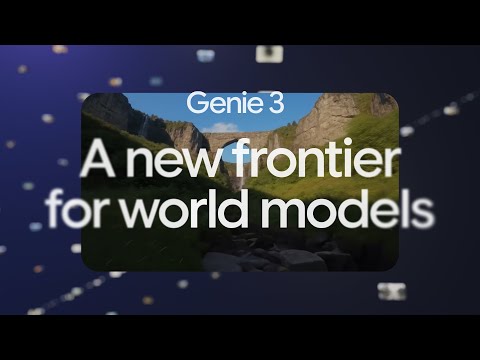
DeepMind launched Genie 3, an AI that builds full 3D worlds just from a short text prompt. These environments are interactive and realistic, and can change as you type. It’s like telling a video game what to look like—and it builds itself instantly.
Source: The Verge
Read More at The VergeAI Models Stir Fashion Debate
Vogue and Guess used AI-generated models in a new ad campaign, raising concerns about whether human models are being replaced. While it cuts costs, some fear it reduces real human representation in media. It’s like using a mannequin that can pose and smile—only no real person was ever there.
Source: CNN
Read More at CNNNew Tool Detects Deepfakes with 98% Accuracy
Scientists created an AI that can spot fake videos and voices—called deepfakes—with almost perfect accuracy. This is a big step for stopping misinformation in news, politics, and law. It works like a lie detector for digital media—checking if what you hear or see is real.
Source: Crescendo AI
Read More at CrescendoAI Now Designs Experiments Like a Scientist
Researchers at Stanford built an AI system that creates and runs science experiments all by itself. This could make breakthroughs in genetics and medicine much faster and cheaper. Think of it as a virtual scientist working 24/7 in the lab—no coffee breaks needed.
Source: Crescendo AI
Read More at CrescendoMeta’s AI Learns on Its Own
Meta says its AI can now improve itself without human help. While this saves time, experts are asking if it’s safe for AI to learn on its own. It’s like giving your robot teacher a self-study guide—and hoping it doesn’t teach itself the wrong thing.
Source: MarketingProfs
Read More at MarketingProfsRobots Can Now Learn from Words and Pictures
New AI tools let robots understand tasks just by reading or looking at pictures—no coding required. This could help them become helpers in homes, hospitals, and factories. It’s like teaching a robot to make your bed just by showing it a picture and saying “do this.”
Source: DirectIndustry
Read More at DirectIndustry/

