
In partnership with


This Week: AI Tools You Can Use Today — and One That Might Save Your Life
Welcome to your weekly download of the most useful, surprising, and real-world AI stories. This issue includes:
- 📚 Free Google course scholarships (500 spots only!)
- ⚡ How people are using Google’s Gemini “Nano Banana” model
- 🎧 ElevenLabs’ new tool that lets you generate any sound effect
- ❤️ A stethoscope powered by AI that detects heart problems in seconds
Let’s dive into the most useful AI news and tools of the week.
🎓 500 Free Google Course Scholarships — Final Call!
Your inbox just became your ticket to 100% free Google-certified courses — exclusively for AI Viewer subscribers.
✅ Only the first 500 people will receive the scholarship. If you're selected, you'll get your invite within 24 hours.
📅 Finish as many courses as you can by September 30, 11:55 PM (PKT).
💡 Quick Wins (Finish in days)
• AI Essentials
• Prompting Expert
• Intro to Generative AI
💼 Career Certificates (Multi-week)
• Data Analytics, Cybersecurity, UX Design
• Project Management, Digital Marketing & more!
🥳 One small request: When you earn your certificate, please tag us on social media — we want to celebrate your success with you!
Apply for Free Scholarship NowAnthropic Raises $13 Billion, Hits $183 Billion Valuation
Anthropic just pulled off one of the biggest funding rounds in tech history. It raised $13 billion in Series F funding — led by ICONIQ and backed by nearly 20 major firms, from BlackRock to the Qatar Investment Authority.
Why the hype? Because Anthropic’s revenue went from $1 billion to $5 billion in just eight months. It’s now valued at $183 billion — faster growth than most companies ever see.
The Claude AI platform now serves over 300,000 businesses, with Claude Code alone generating over $500 million in run-rate revenue.
Whether you’re a developer, founder, or just AI-curious — Anthropic’s growth signals something big: the enterprise AI boom is here.
Read Full Story at AnthropicHow 433 Investors Unlocked 400X Return Potential

Institutional investors back startups to unlock outsized returns. Regular investors have to wait. But not anymore. Thanks to regulatory updates, some companies are doing things differently.
Take Revolut. In 2016, 433 regular people invested an average of $2,730. Today? They got a 400X buyout offer from the company, as Revolut’s valuation increased 89,900% in the same timeframe.
Founded by a former Zillow exec, Pacaso’s co-ownership tech reshapes the $1.3T vacation home market. They’ve earned $110M+ in gross profit to date, including 41% YoY growth in 2024 alone. They even reserved the Nasdaq ticker PCSO.
The same institutional investors behind Uber, Venmo, and eBay backed Pacaso. And you can join them. But not for long. Pacaso’s investment opportunity ends September 18.
Paid advertisement for Pacaso’s Regulation A offering. Read the offering circular at invest.pacaso.com. Reserving a ticker symbol is not a guarantee that the company will go public. Listing on the NASDAQ is subject to approvals.
Can AI Really Fund $10,000 Monthly Income?
Former OpenAI researcher Miles Brundage believes a universal basic income (UBI) of $10,000 per month could become feasible — not someday, but soon.
Most UBI trials today offer just $500 to $1,500 a month. But Brundage argues that AI-driven economic growth could support something much more ambitious — if policymakers are ready.
He suggests that this shift won’t just be about income — it could redefine the meaning of work itself. The big question: can society and politics keep up with the speed of AI?
Read Full Interview at Business InsiderElevenLabs Launches SFX v2 — Type to Create Any Sound
The new SFX v2 update from ElevenLabs lets you generate any sound effect from a simple text prompt. You can use these sounds in podcasts, videos, games, and even ambient apps — royalty-free.
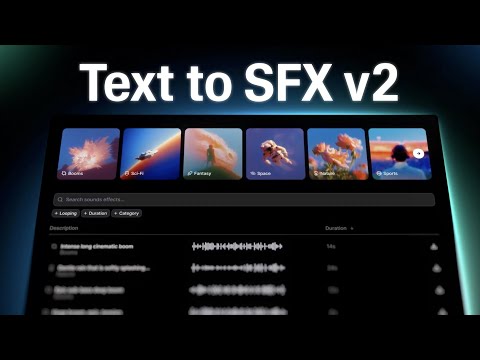
Want ocean waves for 20 minutes? Or soft rain for your writing app? Just type it out and download a seamless loop. SFX v2 now supports up to 30-second clips at professional 48kHz quality.
This version also includes a 6x larger sound library, smoother prompt matching, and favorites/remix options for creators who want more control.
Try SFX v2 Now — Free on ElevenLabsWhat You Can Do With Google's Fastest AI Tool
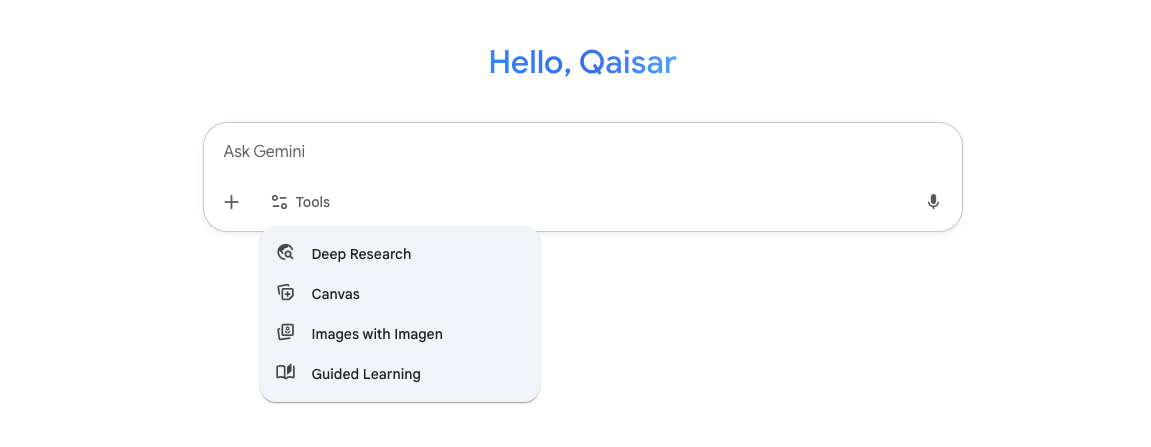
Gemini 2.5 Flash — nicknamed “Nano Banana” by users — is a super-fast version of Google’s AI model. Think of it like a creative assistant that works at lightning speed.
People are using it to edit photos, design ideas, clean up messy images, and even generate full product mockups. Here are some real ways it’s being used right now.
Image Editing Made Simple
- Fix blurry or old family photos
- Remove people or objects from busy backgrounds
- Change one part of a photo without touching the rest
- Swap the background to make your image pop
- Add cinematic lighting or new color styles
Design and Creativity
- Create social media graphics in your brand’s style
- Test what your logo looks like on shirts, mugs, or billboards
- Design mockups for websites, apps, or packaging
- Turn written ideas into moodboards or product concepts
- Make fun visuals like pet superheroes or comic panels
Learning and Fun
- See yourself in historical scenes or dream locations
- Preview tattoos before you get them
- Generate storyboards for your next video or animation
- Explore different art styles by remixing your own photos
- Build AR/VR content or design your game characters
This isn’t just a tool — it’s a playground for ideas. Try it out below:
Try at gemini.google.com Try at aistudio.google.comAn AI Stethoscope That Can Hear What Humans Can't
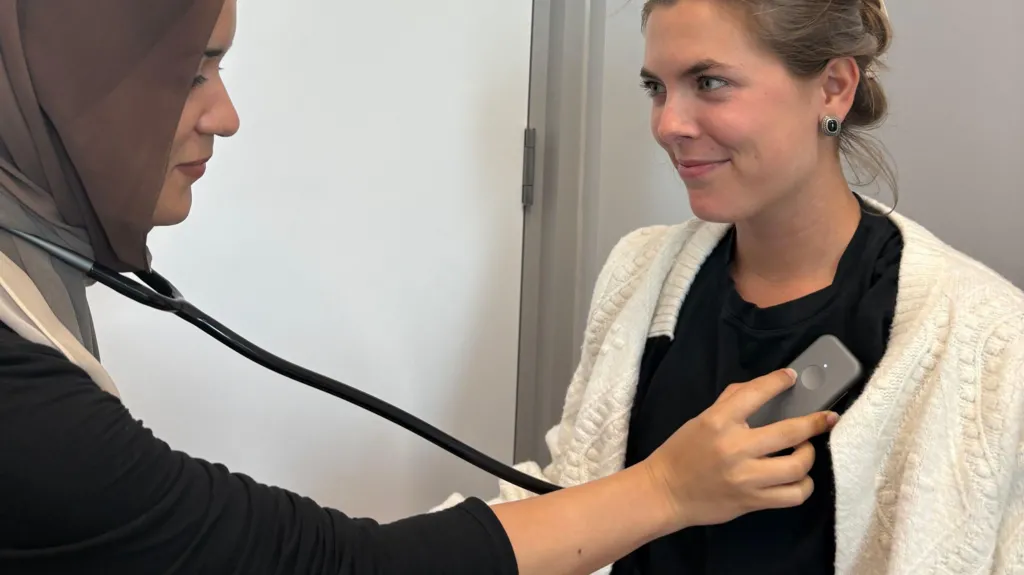
A new AI-powered stethoscope can detect three major heart conditions — in seconds. Researchers say it spots signs of heart failure, valve disease, and abnormal rhythms faster and more accurately than the human ear.
The device is about the size of a playing card and uses a microphone to listen to your heart. It sends the sound to the cloud, where AI trained on tens of thousands of patients looks for problems.
In one study of 12,000 patients, this AI tool made heart failure over twice as likely to be caught early — and it was 3.5 times better at catching dangerous heart rhythms with no visible symptoms.
This upgrade to a 200-year-old tool could help thousands get diagnosed earlier — and live longer, healthier lives.
Read More at BBC News